Oligonucleotides, often simply called "oligos", are fundamental building blocks of modern biotechnology. From routine laboratory techniques to advanced genetic medicine, these short DNA or RNA sequences enable scientists to analyze, detect, and manipulate genetic information with remarkable precision.
Whether powering PCR, enabling gene sequencing, or driving innovations like RNA therapeutics and CRISPR gene editing, oligos sit at the core of many of today’s most important scientific and medical advances.
So what exactly are oligonucleotides and why are they so critical across research, diagnostics, and therapeutic development?
What Are Oligos (Oligonucleotides)?
Oligos are short strands of DNA or RNA made up of nucleotides, the fundamental building blocks of genetic material. Typically, they range from around 10 to 100 nucleotides in length, although longer sequences can be designed for specialized applications.
Each nucleotide consists of: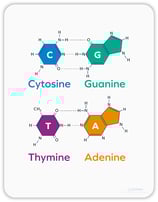
-
A nitrogenous base (A, T, C, G in DNA; A, U, C, G in RNA)
-
A sugar molecule
-
A phosphate group
When these components are linked together in a defined sequence, they form an oligonucleotide. For the use in biotechnology and life sciences, oligos are chemically synthesized. This allows researchers to design highly customized sequences tailored to precise applications, from detecting a single mutation to regulating gene expression.
Different types of oligonucleotides are designed to meet specific scientific and medical needs.
DNA Oligos
-
PCR primers
-
DNA sequencing
-
Cloning and gene assembly
-
Hybridization probes
RNA Oligos
-
Gene silencing and RNA interference (RNAi)
-
Functional studies of gene expression
-
CRISPR and other gene editing technologies
Modified Oligos
-
Increased stability in biological environments
-
Improved binding affinity and specificity
-
Enhanced resistance to enzymatic degradation
-
Optimized activity for therapeutic use
Key Applications of Oligonucleotides
Oligonucleotides are used across a wide range of scientific fields and medical applications, e.g. DNA sequencing and PCR in molecular biology, diagnostics and molecular testing, gene editing and synthetic biology.
Oligonucleotide Therapeutics
One of the fastest-growing areas in biotechnology is the development of oligonucleotide-based therapeutics. These therapies act directly at the genetic level, allowing targeted regulation or modification of gene expression. Because oligonucleotide therapeutics are sequence-defined molecules, they can often be designed more rapidly once a relevant genetic target has been identified. This sequence-based logic is one of the reasons they are such a promising therapeutic class. In addition, many oligonucleotide programs benefit from established platform knowledge in synthesis, purification, and analytics, which can support efficient development, even though each molecule still brings its own technical challenges.
Key therapeutic approaches include:
-
Antisense oligonucleotides (ASOs)
-
Small interfering RNA (siRNA)
- Guide RNA for gene and base editing (e.g. CRISPR/Cas)
These modalities are transforming how diseases are treated, especially in areas such as rare genetic disorders, oncology, and previously untreatable conditions.
Why It Matters
Oligonucleotides give scientists something uniquely powerful: precision access to genetic information.
They make it possible to detect specific sequences, modulate gene expression, and even correct genetic errors. This capability is fundamentally changing how we approach biology, not just observing systems, but actively designing and controlling them.
As the field continues to evolve, oligos are becoming key drivers of innovation and bridging the gap between scientific discovery and real-world medical solutions.
At BioSpring, we support this progress by delivering high-quality, precisely synthesized oligonucleotides, helping researchers and innovators translate genetic insights into meaningful solutions.